


A Wedding Party That Looked Like A Funeral
Ben Jealous reflects on his parents' 60-year marriage, which began as a crime in Maryland before Loving v. Virginia. His Black mother and White father married in Washington, D.C. in 1966, facing family rejection and legal barriers, yet built a lasting love story that produced children who wouldn't otherwise exist.
The Dolly Some Never Knew
Dolly Parton's passing revealed a lesser-known legacy of quiet generosity toward Black communities, from investing "I Will Always Love You" royalties into a Nashville neighborhood honoring Whitney Houston, to funding scholarships, literacy programs, and COVID relief. Beyoncé, Obama, and others celebrated her humanity, activism against racism, and genuine solidarity with Black Americans.

Black Women, The Last Line Of Defense
David W. Marshall examines America's eroding credibility under Trump and RFK Jr.'s vaccine policies amid rising measles cases, arguing Democrats must become an obstruction party. He highlights Black women as the most reliable Democratic voting bloc, spotlighting Keisha Lance Bottoms' Georgia gubernatorial run and efforts to mobilize Black male voters alongside them.

America’s Reading Crisis Demands More Than Concern. It Demands Action.
Marc H. Morial warns that declining reading scores in New York City and nationwide, with nearly 40 percent of fourth graders and a third of eighth graders below basic level, reveal a literacy crisis threatening opportunity and equity. He calls for systemic reform, early intervention, literacy recovery for older students, and urgent national action.
Rebuilding
Dr. E. Faye Williams reflects on growing up amid Louisiana’s racism and the one-drop rule, her historic run as the first Black congressional candidate in the state, and the racially charged comments she faced. She highlights Jamie Davis’s Senate bid, praises Justice Ketanji Brown Jackson, and urges voters to rebuild fairly.

One Black Governor At A Time Is Not Enough
Wes Moore's historic election as National Governors Association chair highlights a persistent pattern: Black governors have long served in isolation, from Douglas Wilder to Deval Patrick. Kevin Harris argues 2026 offers unprecedented opportunity to elect multiple African American governors simultaneously, creating collective influence on policy that single historic firsts cannot achieve alone.
Whatever Happened To 9 To 5?
Julianne Malveaux revisits Dolly Parton's "9 to 5" to examine how workplace exploitation has evolved, from sexist bosses like Franklin Hart to today's gig economy and algorithmic bosses. She highlights Black women's historical exclusion from feminist narratives, the erosion of predictable schedules, and argues workers must again fight for fair pay, dignity, and boundaries between work and life.
African-American Studies Is The Foundation Of Democratic Movements And A Guide To Resistance
Marc Morial warns that African-American studies programs face elimination amid federal budget cuts and anti-diversity executive orders, with universities like Texas, Iowa, and Kansas reducing offerings. He argues this field, exemplified by Du Bois's scholarship, teaches vital lessons about democracy, resistance, and history essential to preventing America from repeating past injustices and systemic inequities.
The Path Toward Liberty Is Being Lit And Led By Black Women
Amid federal DEI rollbacks that fueled 251,000 Black women's job losses since January 2025, Black women are fighting back through politics and entrepreneurship. From Keisha Lance Bottoms and Juliana Stratton's campaigns to over 2 million Black-owned businesses employing 647,000 people, this piece explores how Black women continue leading America's path toward liberty and opportunity.
Keep The USS Doris Miller
David W. Marshall examines eroding presidential and military traditions under Trump, from skipping inauguration protocols to the USS Abraham Lincoln's grueling 250-plus day deployment amid reported crew crises.
Must Read
Black Americans Have Doubts About the U.S. Food System, New Word...
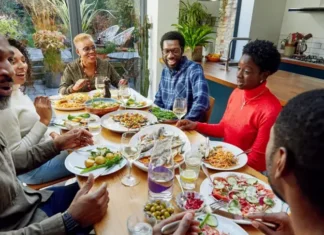
A new Word In Black survey reveals Black Americans deeply value healthy eating but face steep barriers: six in 10 distrust food safety, rising prices force trade-downs to cheaper options, and most want lower costs, more neighborhood grocery stores, and nutrition education to bridge the gap between knowledge and access.